


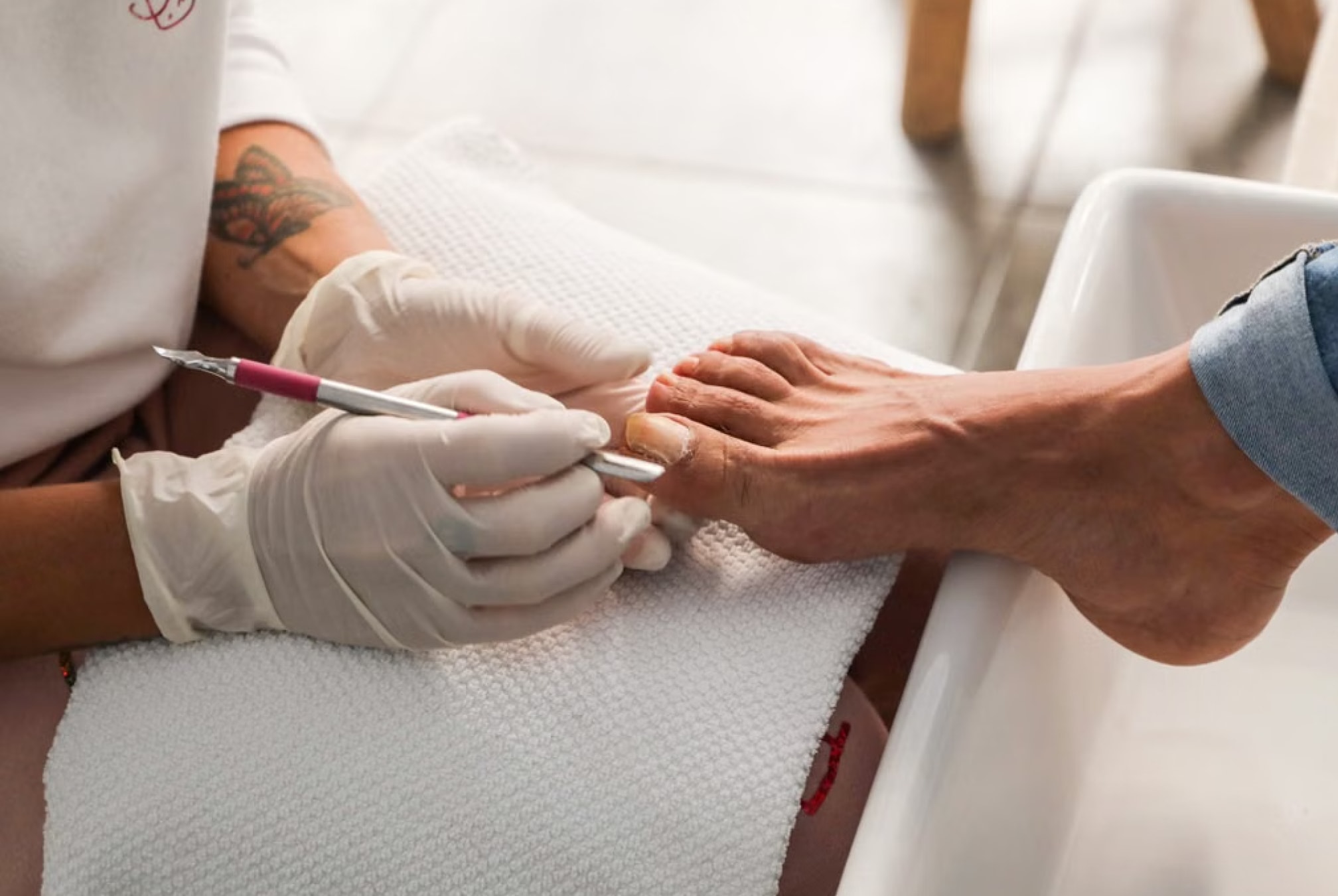
Verruca Treatment
Verruca Treatment in Melton
Clear Stubborn Verrucas With SWIFT® Microwave Therapy
Verrucas are often painful, difficult to treat, and can make you feel self-conscious. At Melton and Bacchus Marsh Foot Clinic, we use SWIFT® microwave therapy, a gentle treatment that helps your immune system fight the wart virus. This approach is particularly helpful for stubborn verrucas that haven’t improved with other treatments.
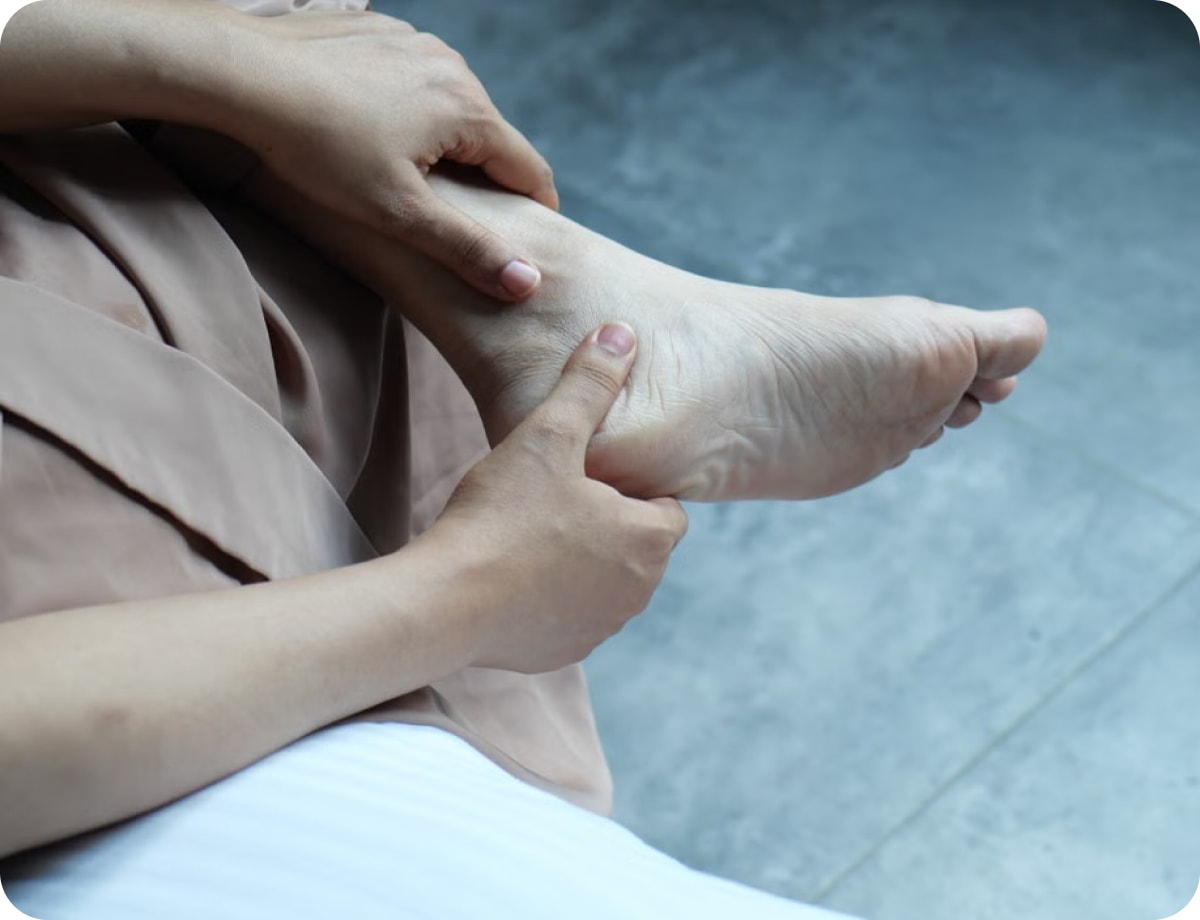
Plantar warts
What Is a Verruca?
A verruca, also called a plantar wart, is a viral skin infection on the sole of the foot. It develops when the human papillomavirus (HPV) enters through small breaks in the skin.
Verrucas often grow on pressure points, which can make walking or standing uncomfortable. Some clear on their own, but many persist or spread without treatment.
At Melton and Bacchus Marsh Foot Clinic, we assess your verruca and recommend the most suitable treatment to help clear it safely and effectively.
Signs & symptoms
Signs You May Need Verruca Treatment
Not every verruca causes pain, but many become uncomfortable over time. Treatment may help if you notice any of these signs.
If your verruca is painful, persistent or spreading, our podiatrists can assess it and recommend the right treatment.
Treatment may help if you notice:
 Pain when walking or standing
- A rough growth on the sole of your foot
- Small black dots within the lesion
- Thickened skin covering the wart
- A verruca that keeps coming back
- Multiple verrucas spreading across the foot
- Little or no improvement with home or previous treatments
Traditional treatments
Why Verrucas Are Hard to Treat
Most wart treatments, such as cryotherapy (liquid nitrogen application) or topical acid occlusion, work by destroying the skin the wart virus has infected. By destroying this host skin, the virus is removed along with it.
The problem is that if even a small area of infected skin is not destroyed, the wart virus survives and the verruca grows back. This is why many people go through repeated treatments without lasting results.
A different approach
How SWIFT® Microwave Therapy Works
SWIFT takes a different approach. Rather than destroying skin, it uses microwave energy to trigger your body’s own immune response against the wart virus.

Heat Shock, Not Tissue Destruction
The SWIFT probe delivers microwaves into the verruca, raising the skin temperature to 42–45°C. This creates a “heat shock” within the skin cells. It causes no cell destruction and involves no cutting, freezing or acid.
Your Immune System Does the Work
The heat shock causes the wart to release signalling proteins. These alert your immune system to the virus, which then targets and eliminates the infected skin cells. Healthy skin cells can then regenerate in their place.
Effective for Stubborn Verrucas
Because SWIFT works through the immune system, it is particularly effective for long-standing verrucas that have resisted other treatments.
Your treatment plan
Your SWIFT® Treatment Plan
SWIFT follows a structured treatment course to give you the best chance of clearing your verruca.
3 treatments
Three Treatments, Four Weeks Apart
A standard course involves three SWIFT treatments spaced four weeks apart, spanning about two months.
5 × 2 sec
Quick Treatment Sessions
At each session, your podiatrist applies five consecutive applications of SWIFT microwave energy to the verruca. Each application lasts about two seconds, with a 2–3 second break in between.
12 weeks
Review at 12 Weeks
We see you for a review and assessment 12 weeks after your final SWIFT treatment to check that the verruca has cleared.
80–83%
Proven Results
Clinical research suggests most verrucas resolve after a three-treatment SWIFT course spanning two months. SWIFT has been shown to clear verrucas in approximately 80–83% of patients when the full course is completed as prescribed.
Other options
Other Verruca Treatment Options
We tailor treatment to your symptoms, the size of the verruca and how long it has been present.
Conservative Verruca Care
Some verrucas respond well to conservative care. We may carefully reduce thickened skin and recommend a treatment plan based on your condition.
Ongoing Verruca Care
Regular reviews allow your podiatrist to monitor your progress, adjust treatment if needed and support successful clearance.
Why choose us
Why Choose Melton and Bacchus Marsh Foot Clinic for Verruca Treatment?
A stubborn verruca needs the right treatment. Our podiatrists assess your condition, explain your options and recommend the treatment that best suits your needs. We focus on effective care, clear advice and lasting results.
Experienced Local Podiatrists
Our podiatrists diagnose and treat verrucas every day and use that experience to build a treatment plan that suits you.
Advanced SWIFT® Microwave Therapy
We offer SWIFT® microwave therapy for stubborn and recurring verrucas. It triggers your immune system to target the wart virus without destroying skin cells.
Custom Treatment Plans
We assess the size, location and severity of your verruca, then recommend the treatment that gives you the best chance of clearance.
Convenient Clinics
Visit our clinics in Melton or Bacchus Marsh for expert podiatry care close to home.
Trusted Local Care
Patients continue to choose Melton and Bacchus Marsh Foot Clinic because we provide honest advice and professional treatment in a welcoming environment.
Your visit
What to Expect During Your Treatment
Every treatment starts with a thorough assessment. Your podiatrist will explain the findings, discuss your options and recommend the approach that suits you best.
Assessment
Your podiatrist examines the verruca, confirms the diagnosis and assesses its size, location and severity.
Treatment
If SWIFT is right for you, your podiatrist applies five consecutive short applications of microwave energy to the verruca. You may feel a warm, uncomfortable sensation for a couple of seconds with each application. You will receive clear aftercare advice before you leave.
Completing Your Course
You return for your second and third treatments at four-week intervals.
Final Review
Twelve weeks after your final treatment, we review and assess the area to confirm your results.
Frequently Asked Questions
Do Not Let a Stubborn Verruca Hold You Back
A painful or persistent verruca does not have to affect your daily life. SWIFT® microwave therapy offers a non-invasive option, even for verrucas that have not responded to other treatments. Our podiatrists will assess your condition and recommend the treatment that is right for you.